Keep the purpose of the project in view.
A commercial project starts with a reason to build or change a space. That purpose should guide decisions about the brief, the budget and the programme.
Discuss your projectSee how we work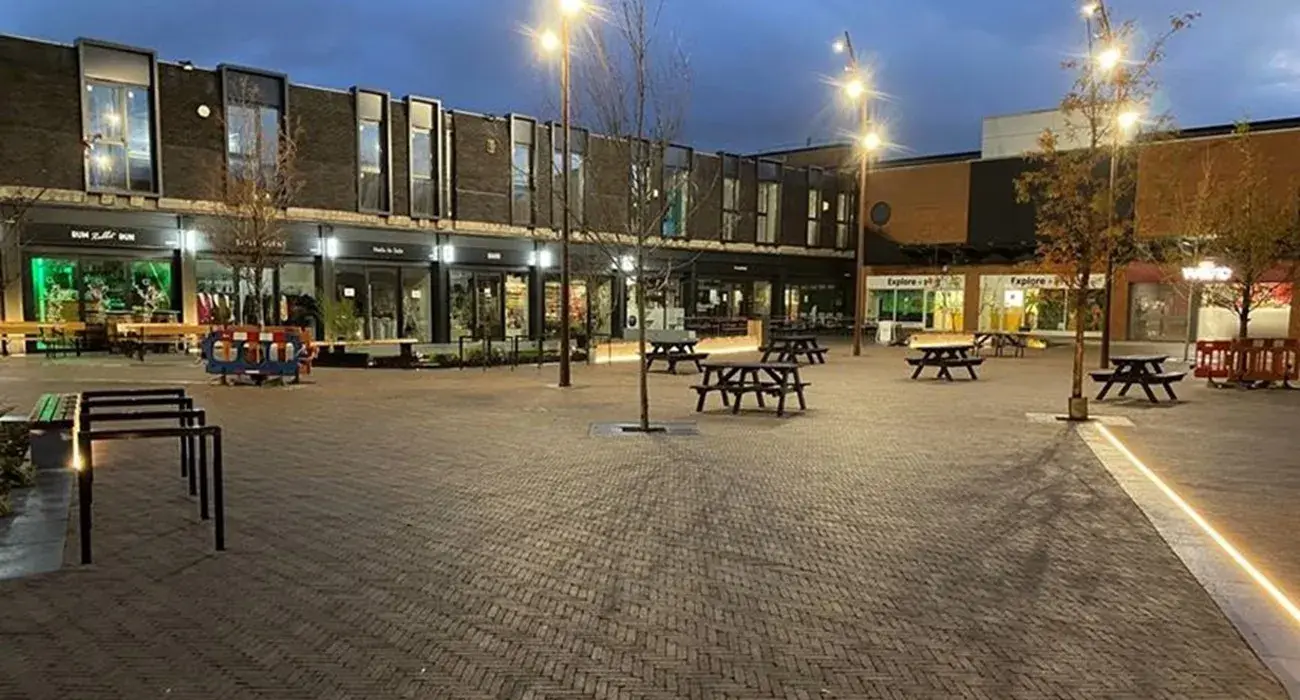
HOW WE WORK
From the first conversation to the finished space.
These five steps explain our approach. The scope, deliverables and responsibilities are agreed for your appointment, whether you need one service or coordinated support across the project.
Understand the brief.
Tell us what the space needs to do, where the project is and what stage it has reached. We discuss your priorities, available information, budget and target dates to establish the support you need.
Shape the budget and proposal.
We consider the brief alongside cost and programme requirements, then set out a project-specific proposal. The services, deliverables and fees depend on the scope of the appointment.
Agree the scope and get ready.
Before work begins, we agree our responsibilities and how we will work with your other advisers and contractors. Procurement and contractor appointments form part of our support where included in the agreed scope.
Coordinate delivery.
During delivery, we coordinate the information and decisions within our appointment. Programme reviews, cost reporting and the assessment of changes help keep the brief, budget and next actions in view.
Review the finished project.
We review the result against the agreed requirements and support completion activities within our appointment. Where included, this may involve the final commercial position and information needed by the people operating the space.
THE COMMERCIAL BRIEF
Four principles. A clear reference point.
Begin with the business need
What does the space need to make possible? The answer gives the project a reference point, whether the aim is a new location, a refurbishment or a wider programme of work.
Consider cost and delivery together
A specification can affect procurement. A change in scope can affect expenditure. A programme decision can alter the demands on a team. Looking at those connections gives decisions a clearer basis.
Coordinate the people involved
Design teams, contractors, suppliers and clients each have responsibilities. Project coordination brings their contributions into the wider delivery programme.
Keep reviewing as conditions change
Existing buildings can reveal issues as work progresses. The Sale Town Centre project shows how unforeseen conditions and material costs can create decisions throughout a scheme.
THE WORK IN CONTEXT
Sale Town Centre / Stanley Square
SPC acted as Employer’s Agent on the regeneration scheme. Rising material costs and unforeseen structural issues required ongoing review and value engineering.
View the Stanley Square case studyOUR CLIENTS
The businesses behind the brief.
Every project starts with a different set of priorities. Explore the businesses we have worked with and the projects that show how our approach takes shape.
See who we work withYOUR QUESTIONS
A little more about working with us.
How do you work with your clients?
We take a hands-on approach. We listen to what you want to achieve and the concerns you need to resolve, then keep those priorities in view as the project develops.
LET’S TALK ABOUT YOUR NEXT PROJECT
What matters most to your project?
Tell us about the intended result, the constraints and the support you need.